
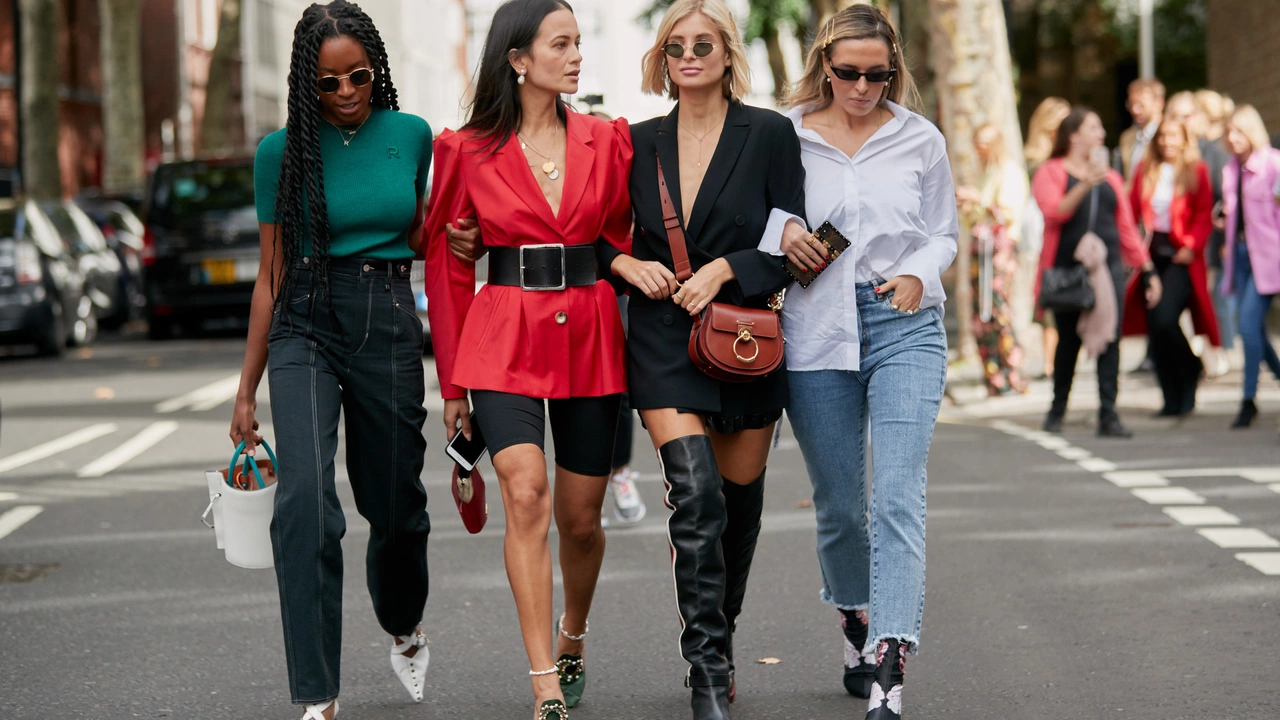
Fashion has evolved into far more than clothing or appearance. It functions as a cultural language that expresses identity, creativity, and personal values. In its earliest form, fashion reflected social rank and tradition, but today it acts as a dynamic force shaping lifestyle choices, economic activity, and artistic direction. When examining Fashion closely, it becomes clear that everything from materials to silhouettes communicates meaning. Within the first stages of exploring Fashion, people begin to understand that style choices reflect experiences, cultural background, personal taste, and emotional states. Fashion is both personal and public, and its influence reaches into nearly every part of modern life.
How Fashion Shapes Identity and Self Expression
Fashion provides individuals with a powerful tool to express who they are without saying a word. Choices in color, fit, fabric, and style speak volumes about personality and personal values.
Clothing as a Form of Communication
Every outfit communicates something, whether intentional or not. People often use fashion to:
- Show their personality or mood
- Express cultural heritage
- Demonstrate confidence or professionalism
- Signal creativity or uniqueness
- Align with a lifestyle or ideology
Fashion becomes a personal vocabulary that helps individuals build identity in social environments.
The Psychology Behind Style Choices
Clothing influences how people feel and how others perceive them. Studies show that style can affect:
- Motivation
- Self esteem
- Confidence
- Social interactions
- Decision making
For example, structured clothing may boost confidence and authority, while relaxed attire can promote comfort and creativity.
The Cultural Impact of Fashion
Fashion reflects and shapes cultural values. Throughout history, clothing trends have mirrored societal shifts, political movements, and artistic eras.
Fashion as a Cultural Timeline
Each era leaves behind a distinct fashion footprint. Clothing choices often illustrate:
- Economic conditions
- Political climate
- Social progress
- Shifts in gender expectations
- Influential art and media movements
From bold prints of the 1970s to minimalist streetwear of today, fashion mirrors the collective mindset of its time.
Global Influence and Cultural Exchange
Modern fashion is multicultural. Designers gather inspiration from traditions across the world. Cultural blending has become common through:
- International travel
- Cross cultural collaborations
- Global media representation
- Worldwide access to digital fashion content
Fashion shapes how cultures learn from one another and celebrate diversity.
Key Elements That Define Fashion Systems
Behind every fashion movement is a structured ecosystem of industries, materials, techniques, and design philosophies.
Textiles and Material Innovation
Materials form the foundation of every garment. Designers consider:
- Fabric texture
- Durability
- Breathability
- Sustainability
- Cost and availability
Recent material innovation includes recycled fibers, plant based textiles, temperature adjusting fabrics, and smart textiles capable of responding to body conditions.
Silhouettes and Construction Techniques
The shape of a garment, known as its silhouette, influences aesthetic appeal and comfort. Designers experiment with:
- Tailoring methods
- Draping techniques
- Construction details
- Structural elements
- Body inclusive designs
Silhouette trends often reflect cultural values, such as the shift from restrictive corsets to comfortable, functional clothing.
Color Theory in Fashion
Color plays a psychological and emotional role. Fashion uses color to evoke mood, reinforce branding, or follow seasonal cycles. Designers consider:
- Warm vs cool tones
- Saturation levels
- Cultural meanings associated with certain colors
- Contrast and coordination
Color choice often determines whether an outfit feels bold, calming, elegant, or expressive.
The Influence of Fashion Industries and Creative Leaders
Fashion is shaped by the ideas of creatives who interpret culture through textiles and design.
Designers as Storytellers
Fashion designers often build narratives through collections. Each garment may represent:
- A cultural theme
- A social message
- An artistic concept
- A historical reference
- A personal experience
Storytelling adds depth to a piece of clothing, turning it into wearable art rather than a simple product.
The Role of Fashion Capitals
Major cities known for fashion contribute heavily to global trends. Their influence comes from:
- Renowned design schools
- High concentration of creative talent
- Runway showcases
- Local craftsmanship traditions
- Youth subcultures that shape street style
These cities act as incubators for creativity and innovation.
The Rise of Digital Fashion and Technology Driven Trends
Technology has permanently changed how fashion is created, consumed, and shared.
Virtual Runways and Digital Showcases
Designers increasingly use digital formats to present collections. Benefits include:
- Wider global reach
- Reduced production costs
- Creative freedom not limited by physical constraints
- Enhanced visual storytelling
Virtual shows allow designers to experiment with futuristic concepts and immersive visuals.
Artificial Intelligence and Predictive Design
AI tools help predict consumer trends, manage production cycles, and streamline design processes. AI influences:
- Pattern creation
- Sustainable material selection
- Demand forecasting
- Virtual fitting technology
- Personalized shopping experiences
Technology supports efficiency while encouraging creativity.
The Growth of Online Fashion Communities
Social platforms have given rise to:
- Micro trends
- Style influencers
- Clothing hacks
- Personalized styling tutorials
- Community driven fashion movements
Digital communities often determine what becomes popular in real time.
Sustainability as a Defining Principle of Modern Fashion
Awareness about environmental and social issues has reshaped fashion priorities. Many individuals now view sustainability as a core requirement rather than a trend.
Eco Conscious Materials and Production
Sustainable fashion prioritizes:
- Organic fibers
- Recycled materials
- Natural dyes
- Low waste production techniques
- Responsible sourcing
Material transparency helps consumers make informed choices.
Circular Fashion Practices
Circular fashion focuses on extending the lifecycle of garments through:
- Repair services
- Upcycling
- Second hand markets
- Clothing rental models
- Reuse and recycling programs
These strategies reduce waste while promoting creativity.
Ethical Labor and Fair Production
Modern consumers care about how clothing is made. Ethical fashion emphasizes:
- Safe working conditions
- Fair wages
- Worker rights
- Transparent supply chains
Ethical practices help support communities within the global fashion ecosystem.
Fashion and Social Influence
Fashion trends often begin at the grassroots level, shaped by culture, community, and creative expression.
Streetwear and Subculture Movements
Streetwear emerged from youth driven expression. It is heavily influenced by:
- Music scenes
- Skate culture
- Local art movements
- Urban environments
- Community identity
Subcultures showcase how fashion can be both accessible and meaningful.
Fashion in Media and Entertainment
Movies, music, and television shape public perception of style. Characters and public figures influence trends subconsciously by:
- Showcasing memorable looks
- Reinforcing aesthetic themes
- Making certain silhouettes iconic
- Introducing new textures or colors
Media often transforms niche styles into mainstream choices.
How Consumers Shape Fashion Direction
Consumers have more influence than ever. Their preferences guide production, trends, and brand strategies.
The Power of Personal Style
Consumers express individuality through:
- Mixing vintage with modern pieces
- Customizing garments
- Supporting emerging designers
- Wearing clothing from diverse cultural influences
Personal style has become a celebrated form of creativity.
Data Driven Consumer Preferences
Fashion companies analyze consumer behavior to understand:
- Color demand
- Seasonal interests
- Fit preferences
- Shopping habits
- Style psychology
These insights support more accurate production planning and trend forecasting.
Fashion Education and Skill Development
Behind every beautiful garment is a skilled team of designers, artisans, and technical experts. Fashion education aims to develop both creativity and technical mastery.
The Role of Design Schools
Design institutions build foundational skills by teaching:
- Pattern making
- Textile science
- Garment construction
- Digital design software
- Trend analysis
- Creative direction
These programs prepare students for evolving industry demands.
Technical Skills That Support the Fashion Industry
Beyond design, fashion relies on specialized skills such as:
- Quality control
- Tailoring
- Merchandising
- Fabric engineering
- Product development
- Sustainability research
This combination of art and technical expertise keeps the industry moving forward.
FAQ
How does fashion affect confidence in daily life?
Fashion influences confidence by helping individuals feel aligned with their identity. When clothing fits well, reflects personal style, and feels comfortable, it boosts mood and supports positive self perception.
Why do certain trends become popular so quickly?
Trends spread rapidly due to social media, entertainment influences, and digital communities that share style ideas instantly. Visual platforms accelerate trend cycles through real time exposure.
What role does sustainability play in long term fashion decisions?
Sustainability encourages consumers to invest in quality, reduce waste, and choose garments that last. People increasingly consider environmental impact before purchasing clothing.
How can someone develop a strong personal style?
A strong personal style develops through experimentation, understanding what colors and silhouettes complement the body, exploring cultural influences, and blending comfort with creativity.
Why is textile knowledge important in fashion?
Textile knowledge helps predict how clothing will feel, fit, and perform. Understanding fabric behavior supports informed shopping decisions and improves garment care.
How does technology help improve fashion fit and comfort?
Technology introduces virtual try on tools, body scanning systems, smart textiles, and improved pattern engineering. These innovations enhance accuracy, comfort, and long term wearability.