
How are the results shown?
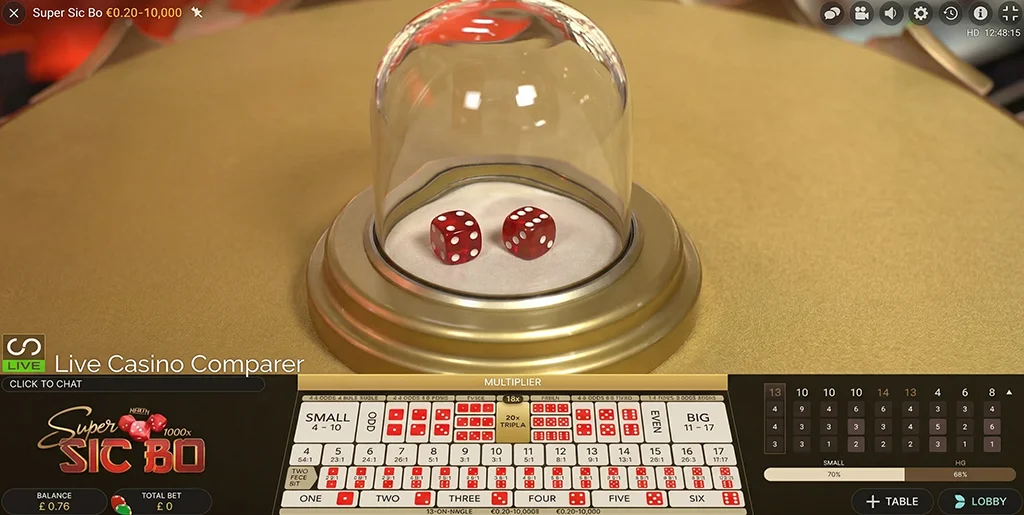
Result presentation in luật chơi tài xỉu online follows a layout built around clarity rather than decoration. Once the dice settle, the three values are displayed along with the total sum and relevant category. Participants need immediate visual confirmation because they need to read the results without hunting. Most platforms group the displayed information into a few core elements. Each one has a job to do, and together they form the visual language of the round.
- Individual dice faces are shown in their rolled order.
- Total numerical sum positioned near the dice display.
- Category indicators marking small, big, odd, or even outcomes.
- Highlighted wager zones showing which bets matched the result.
Beyond the active result, a secondary panel often holds previous outcomes from the same session. That history strip lets participants glance back at recent rounds without leaving the main view. It’s a small thing, but it shapes how players read the rhythm of a session and gives the interface a sense of continuity that pure round-by-round display would miss.
What patterns emerge?
Patterns in dice outcomes are something participants tend to notice over extended play, even though each roll stands on its own. The format produces sequences of small and big results, runs of odd or even totals, and occasional clusters where the same triple appears more than once across nearby rounds. None of these is predictive in any meaningful sense, but they form part of what players watch.
Display structure plays into this. History panel markers indicating big and small, or odd and even, make recurring streaks visible. Since triple outcomes have different payout structures, they are often flagged separately. The way patterns surface depends heavily on how much history the interface keeps visible. Some layouts show the last ten rounds, others stretch to thirty or more, which changes what participants can track at a glance.
Layout and readability
Readability is the quiet priority behind most result displays. Designers tend to keep the dice central, the totals close by, and the wager grid positioned where participants can compare placed bets against the outcome without scrolling or shifting focus. That spatial logic is deliberate.
Colour choices also carry weight. Contrast between background and dice faces helps the numbers register quickly, while subdued tones in surrounding panels stop the eye from being pulled away. Animation is usually brief. Dice tumble for a short moment, settle, and then the result locks in place. A few elements typically share the same screen:
- Active wager grid with current selections marked.
- Dice result area positioned for immediate visibility.
- A history strip running along one edge of the display.
- Round timer or status indicator showing the current phase.
Together, these create a layout that feels organised rather than crowded, even during longer sessions.
Outcome history acts as a reference layer running underneath active gameplay. Most interfaces preserve a rolling record of recent rounds, which participants can scroll through or expand depending on the platform. The data shown usually includes the three dice values, the total, and the category each result fell into.