
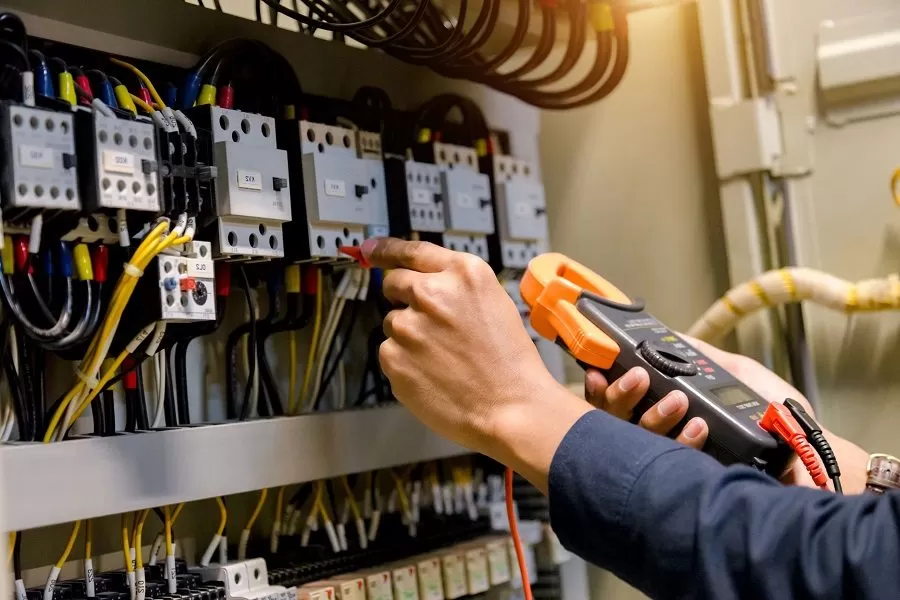
Constructing a new property or renovating an existing space in Thailand presents a unique set of challenges. The tropical climate, characterized by high humidity and heavy rainfall, places significant demands on building infrastructure. Among the most vital components of any structure is the power system. While the aesthetic elements of a building often receive the most attention, the underlying electrical schematic dictates the functionality, safety, and longevity of the property.
Proper planning goes beyond simply deciding where to place plug sockets. It involves a comprehensive analysis of load requirements, circuit distribution, and safety mechanisms. When property owners engage local electrical contractors who utilise professional design principles, they ensure that the system can handle the specific stresses of the local environment. This approach mitigates risks associated with voltage fluctuations, which can occur during storms or periods of high grid demand in certain provinces.
A robust electrical plan serves as the blueprint for a safe living or working environment. In Thailand, where older buildings sometimes lack proper grounding (earthing), a modern design prioritises this essential safety feature. By mapping out the entire network before installation begins, designers can identify potential hazards and eliminate them. This proactive step prevents the dangerous practice of overloading circuits, a common issue when modern, high-power appliances are added to a system not built to support them.
Compliance with Thai Regulations
One of the primary advantages of professional design is strict adherence to local regulations. The Metropolitan Electricity Authority (MEA) and the Provincial Electricity Authority (PEA) maintain specific standards for safety and installation. A professional design ensures all wiring, breaker panels, and connections meet the Thai Industrial Standards (TIS).
Passing inspection is necessary to receive a permanent electricity meter. A system designed by a professional ensures that the installation complies with these rigorous codes from the outset, avoiding costly rework or delays in getting connected to the grid.
Energy Efficiency and Cost Management
Electricity costs in Thailand can be substantial, particularly due to the heavy reliance on air conditioning. A poorly designed system often leads to energy wastage through inefficient routing or inadequate wire gauging, which causes energy loss in the form of heat.
Professional design optimises the electrical layout to ensure balanced loads across all phases. This efficiency reduces unnecessary strain on the system and can lead to lower monthly utility bills. Furthermore, precise planning allows for the strategic placement of outlets and switches, minimising the need for extension leads, which are often points of failure and fire risk.
Future-Proofing the Property
Technological needs change rapidly. The rise of electric vehicles (EVs) in Thailand means that many modern homes now require dedicated high-power charging stations. A standard residential setup may not support this additional load without significant upgrades.
Professional design anticipates these future needs. By installing conduit and panels that can accommodate expansion, property owners avoid the need to tear open walls or relay wiring later. This forward-thinking approach adds long-term value to the real estate, ensuring it remains functional and modern for years to come.