
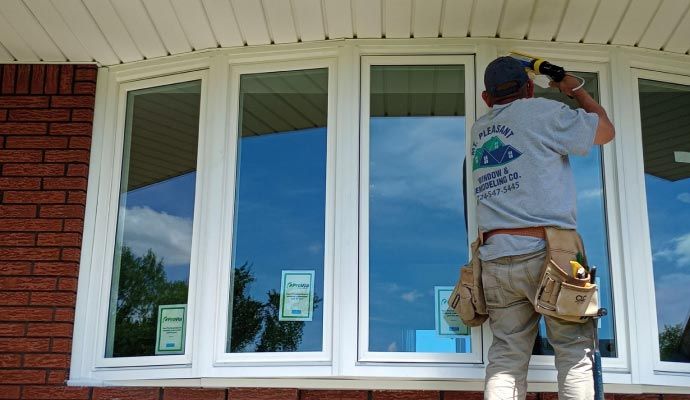
Upgrading your home with bay or bow windows is a significant improvement that enhances natural light, expands interior space, and boosts curb appeal. However, many homeowners overlook one important factor when planning this upgrade: timing. Choosing the right season for bay & bow windows installation can affect cost, scheduling flexibility, installation efficiency, and overall results.
Because bay and bow windows extend outward from the home’s exterior wall, their installation involves more structural considerations than standard window replacements. Weather conditions, contractor availability, and household schedules all play a role in determining the best time to begin your bay & bow windows installation project. Understanding seasonal advantages and challenges helps ensure a smoother experience from start to finish.
Spring: Ideal Conditions for Structural Upgrades
Spring is often considered one of the best seasons for bay & bow windows installation. As temperatures moderate after winter, conditions become more favorable for exterior construction work. Mild weather allows installers to work comfortably while minimizing exposure to extreme heat or cold.
One key advantage of scheduling bay & bow windows installation during spring is reduced risk of weather-related delays. Heavy snow and freezing temperatures can complicate structural modifications, especially when walls must be opened temporarily. Spring’s moderate climate helps maintain indoor comfort while installation is underway.
Spring also allows homeowners to prepare for the warmer months ahead. Installing energy-efficient bay or bow windows before summer can improve ventilation and reduce cooling costs. Because these window styles often include operable side panels, they enhance airflow during mild spring breezes.
However, spring can be a busy season for contractors. Many homeowners begin renovation projects after winter, which may affect scheduling availability. Planning your bay & bow windows installation early in the season or booking in advance can help secure preferred dates.
Summer: Extended Daylight and Faster Completion
Summer provides extended daylight hours, allowing contractors to work longer days if necessary. This can speed up bay & bow windows installation, especially for larger projects involving structural framing adjustments.
Dry weather conditions are another advantage. Reduced rainfall in many regions minimizes the risk of moisture exposure during installation. Because bay and bow windows protrude outward and often require exterior support brackets or roofing elements, dry conditions help ensure precise sealing and finishing.
For homeowners, summer may offer scheduling flexibility, particularly for families who prefer renovations during school breaks. With proper planning, bay & bow windows installation can be completed while routines are less disrupted.
On the other hand, extreme heat can pose challenges in certain climates. High temperatures may make interior spaces temporarily uncomfortable while openings are exposed. Professional installers typically take precautions to minimize heat intrusion, but it is worth considering your local climate before committing to a summer timeline.
Contractor demand also tends to peak during summer months. To avoid extended wait times, it is wise to schedule bay & bow windows installation well in advance if you plan to complete the project during this season.
Fall and Winter: Strategic Off-Season Opportunities
While spring and summer are popular, fall can be an excellent time for bay & bow windows installation. Cooler temperatures create comfortable working conditions, and contractor availability may increase as peak season slows down.
Installing bay or bow windows in early fall prepares your home for colder months. Modern energy-efficient designs improve insulation, helping reduce heat loss during winter. Completing bay & bow windows installation before temperatures drop significantly ensures your home remains comfortable and protected.
Winter installation is possible in many regions, though it requires careful planning. Professional contractors use specialized techniques to limit indoor exposure to cold air during the process. Because bay and bow windows involve larger structural openings, experienced installers work efficiently to maintain interior temperature control.
One potential advantage of winter scheduling is reduced demand. Some companies may offer more flexible pricing or quicker project start dates during slower months. If weather conditions are manageable in your area, winter bay & bow windows installation can be a cost-effective option.
However, extreme cold, snow, or heavy rain can cause delays. It is important to discuss contingency plans with your contractor if you choose a late-season installation.
Factors Beyond Weather to Consider
While seasonal weather plays a significant role, other factors should influence your bay & bow windows installation timeline. Material availability, permit requirements, and household schedules are equally important.
Custom bay and bow windows often require manufacturing time before delivery. Ordering in advance ensures materials arrive when your preferred installation season begins. Permit approvals may also affect scheduling, particularly for projects involving structural modifications.
Interior renovations should be considered as well. If you plan to repaint walls, install new flooring, or redesign the space around your new windows, coordinating these tasks with your bay & bow windows installation timeline prevents overlapping disruptions.
Budget planning can also influence seasonal decisions. Some homeowners align installations with annual home improvement budgets or tax planning schedules. Discussing financing options and promotional offers with your contractor may reveal seasonal incentives.
Choosing the right season for bay & bow windows installation depends on climate, contractor availability, and personal scheduling needs. Spring and summer offer favorable weather and longer daylight hours, while fall and winter can provide strategic advantages such as improved availability and potential cost savings. By evaluating both environmental conditions and household priorities, homeowners can schedule their installation at the most convenient and beneficial time of year, ensuring a successful and efficient upgrade.